
Canned Tuna Supplier
for Lebanon
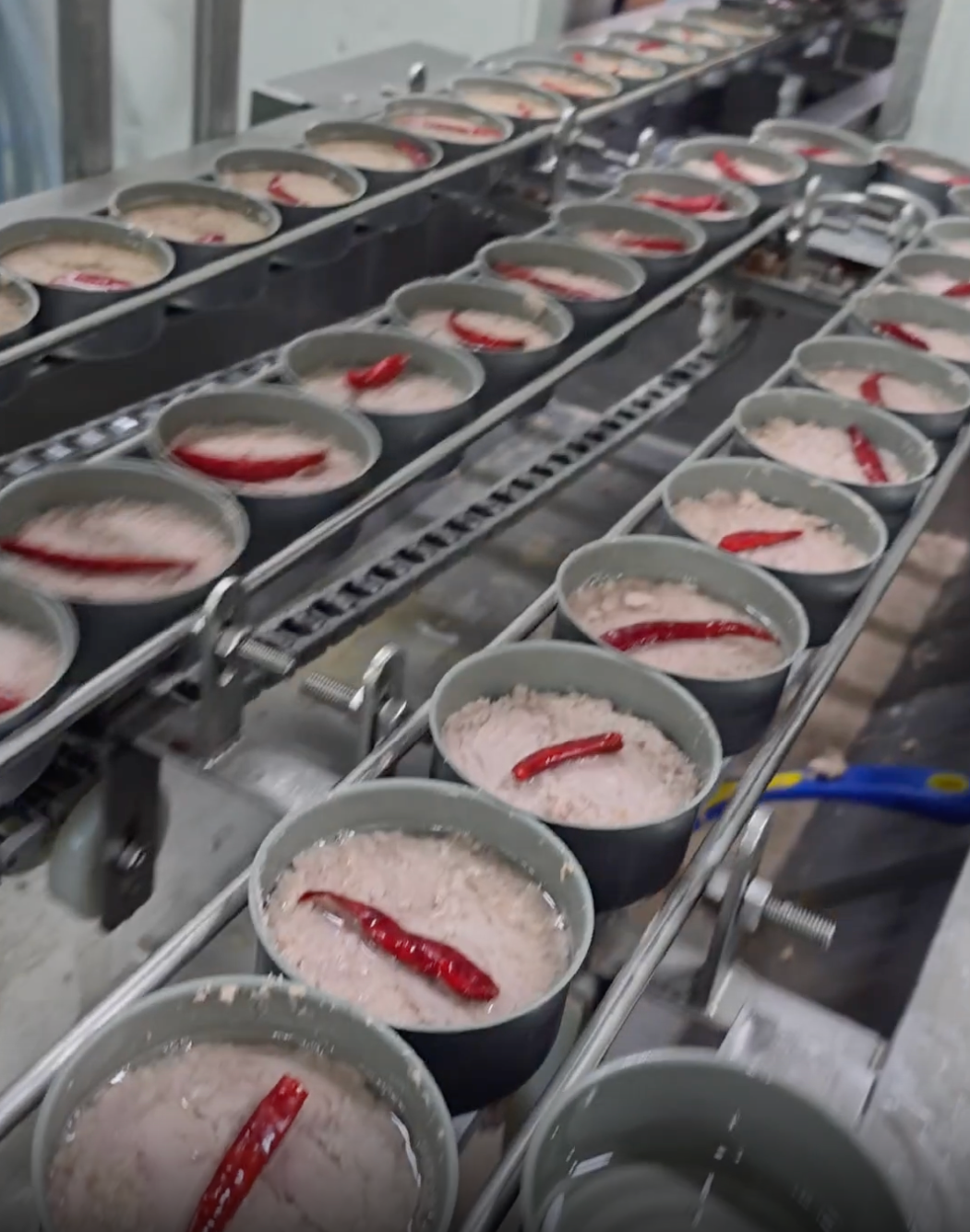
Top Tide Canning ships halal-certified, Ministry of Health-compliant canned tuna to Lebanon via Beirut Port — with USD-based trade terms structured for Lebanon’s current economic environment, Arabic labelling, full customs documentation, and supply reach into Greater Beirut, the Bekaa Valley, and Lebanon’s Syrian refugee sector.
Supplying Lebanon in a Changed Trade Environment
Lebanon’s Import Environment Today
Lebanon’s economic crisis — which began in 2019 — fundamentally changed how food imports are financed and cleared. The Lebanese pound has lost more than 98% of its official value, traditional LC-based banking is largely unavailable for most importers, and the Banque du Liban’s import subsidy mechanisms have been restructured multiple times. The practical result is that most canned food imports into Lebanon today are financed through USD cash payments, international wire transfers, or Gulf-diaspora remittance networks rather than conventional documentary credit.
For international suppliers, this creates a straightforward requirement: USD-denominated invoicing, pre-shipment or TT wire transfer payment terms, and a willingness to work with buyers who operate outside Lebanon’s formal banking system. Top Tide Canning structures all Lebanon transactions in USD with payment terms appropriate for the current environment — we do not require Lebanese bank LCs.
Despite the economic crisis, demand for affordable canned protein in Lebanon has increased — not decreased. As fresh fish, meat, and dairy have become unaffordable for a significant portion of the population, canned tuna has become a staple affordable protein. Importers who can maintain reliable USD-based supply chains are meeting sustained domestic demand at volume.
Lebanon’s economic contraction has made canned tuna more essential, not less. As fresh protein prices soared in Lebanese pounds, affordable canned tuna in USD-purchased containers became the staple protein for a large portion of the population — and for the 1.5 million Syrian refugees whose food assistance programmes are denominated in USD through WFP and UNHCR.
Beirut & Tripoli Port — Lebanon’s Two Entry Points
Beirut Port remains Lebanon’s primary commercial container terminal, handling the majority of FCL food import traffic. Despite the catastrophic August 2020 explosion that destroyed grain silos and damaged port infrastructure, container terminal operations at Beirut Port have continued and reconstruction is ongoing. LMOH food safety inspection is conducted at Beirut Port in coordination with Lebanese Customs — all food import containers are subject to documentary review and may be physically inspected.
From Beirut Port, goods reach the city’s wholesale and retail distribution network rapidly — the port is directly adjacent to central Beirut and well connected to the Beirut-Damascus highway serving the Bekaa Valley. Jounieh, Jdeideh, and the northern suburbs are all within 30 minutes of the port. Sidon in the south and Tripoli in the north are 40 to 60 km distant, served by the coastal highway.
Tripoli Port in northern Lebanon is a secondary option for buyers whose distribution is concentrated in the north — Tripoli city, Akkar Governorate, and the northern Bekaa. It handles a smaller share of food imports but offers a less congested clearance environment and shorter inland distance for northern buyers. We route shipments to either Beirut or Tripoli based on the buyer’s warehouse location and distribution reach.
Transit time from our production facility to Beirut Port is 10 to 14 days — among the shortest in the region, owing to Lebanon’s eastern Mediterranean position and direct shipping connections from Southeast Asian origins via the Suez Canal. This relatively fast transit supports tighter cash flow cycles for buyers managing USD-based import finance without traditional credit lines.
✓ Health Certificate
✓ Certificate of Origin
✓ Commercial Invoice & Packing List
✓ Bill of Lading (Full Set)
What Lebanon’s Market Actually Needs Right Now
Lebanon’s demand for canned tuna is shaped by three distinct forces operating simultaneously: an impoverished domestic consumer base seeking affordable protein, a dollarised urban segment retaining quality preferences, and a large humanitarian procurement sector serving Syrian refugees and Palestinian camp communities.
Value-Tier Skipjack in Oil — 160g
Lebanon’s most price-sensitive consumer market requires a competitively priced, reliable quality skipjack in sunflower oil at the 160g format — the dominant retail unit in Beirut’s neighbourhood grocery stores, dekkaneh shops, and Bekaa Valley traditional trade. Following the economic crisis, this format has moved from a convenience purchase to a household dietary staple across a much broader income band than previously.
Tuna in Spring Water — Urban Segment
Beirut’s urban professional segment — particularly in Hamra, Gemmayzeh, Achrafieh, and Mar Mikhael — retains purchasing power in USD through diaspora income, Gulf employment remittances, and dollarised salaries. This segment drives demand for brine and spring water formats as health-conscious protein sources, stocked in premium supermarkets such as Spinneys Lebanon and Monoprix Beirut.
Bulk Humanitarian Format — WFP/UNHCR
Lebanon hosts approximately 1.5 million Syrian refugees — one of the highest per-capita refugee populations in the world. WFP and UNHCR provide food assistance through cash voucher programmes and in-kind distributions that include canned protein. We supply importers and procurement agents who service WFP voucher-accepting retailers and UNHCR food basket programmes with 1kg institutional cans and halal certification documentation required for humanitarian procurement.
Palestinian Camp Supply
Lebanon’s Palestinian refugee camps — Shatila, Sabra, Bourj al-Barajneh, Nahr el-Bared, and Ain al-Hilweh — are served by UNRWA and local NGO food procurement networks. Canned tuna is a core component of food basket distributions in these communities. We supply importers and NGO procurement agents with bulk cans accompanied by the full halal and food safety documentation chain required for UNRWA supplier qualification.
Restaurant & Foodservice — Beirut
Beirut’s restaurant sector — despite the economic crisis — remains culturally active, with a resilient neighbourhood restaurant scene in areas like Gemmayze, Mar Mikhael, and Batroun. Tuna features prominently in Lebanese mezze and salad culture. We supply foodservice-format cans to distributors serving Beirut’s restaurant trade, particularly for tuna fattoush, salade niçoise, and sandwich fillings that are staples of Lebanese café menus.
Private Label for Lebanese Brands
Lebanese trading companies and FMCG distributors building own-brand canned tuna products for domestic sale. We provide OEM manufacturing with Arabic-compliant labels meeting Lebanese Ministry of Health requirements, halal certification in the buyer’s brand name, and USD-denominated pricing suitable for the current commercial environment. Production scheduling accommodates smaller minimum quantities for buyers managing tighter cash flow.
Lebanon’s Buyer Landscape — Six Active Channels
Lebanon’s food import buyer base is more fragmented and structurally complex than any other market in the region — shaped by the banking crisis, refugee population demands, diaspora financing, and a wholesale network that has adapted to operate almost entirely outside the formal banking system.
Licensed Food Importers — Beirut
Lebanese Ministry of Economy-licensed food importers based in the Bourj Hammoud and Dora industrial districts of Beirut. They clear containers at Beirut Port, manage LMOH customs documentation, and distribute via Lebanon’s national wholesale network to supermarkets, grocery stores, and foodservice operators. Payment is managed in USD through correspondent banking or direct wire transfer.
National Supermarket Chains
Spinneys Lebanon, Monoprix Beirut, Carrefour Lebanon (Majid Al Futtaim), TSC (The Supermarket Company), and Bou Khalil Supermarkets. These chains operate primarily in greater Beirut and Mount Lebanon. Their buying desks require LMOH-compliant labelling, consistent supply, and USD-invoiced commercial terms structured to their current procurement reality.
Wholesale & Traditional Trade
Lebanon’s wholesale merchants — based in the Beirut port district, Nabatieh, Sidon, and Tripoli — supply the country’s extensive dekkaneh (neighbourhood grocery) network across all eight governorates. Dekkaness are the primary retail point for most Lebanese households and are a critical channel for affordable staple goods like canned tuna.
WFP, UNHCR & Humanitarian Buyers
Lebanon is one of the world’s most important humanitarian procurement markets for canned food. WFP operates a major cash voucher programme redeemable at registered retailers across Lebanon; UNHCR and UNRWA conduct in-kind food distributions to refugee communities. Importers who supply these programmes need verified halal certification, LMOH compliance, and institutional bulk formats. We support the full documentation chain.
Bekaa Valley & Northern Lebanon
The Bekaa Valley — including Zahle, Chtaura, Baalbek, and the Syrian border zone — is a distinct regional market with its own wholesale infrastructure. The valley hosts a large Syrian refugee population and significant agricultural communities. Supply reaches the Bekaa via the Beirut-Damascus highway from Beirut Port warehouses, or directly from Tripoli Port for northern Bekaa buyers.
Diaspora-Backed Import Operations
A growing proportion of Lebanese food imports are financed through the Lebanese diaspora — Gulf-resident Lebanese who wire USD to family members running import businesses, or Gulf-based Lebanese trading companies that purchase for shipment to relatives’ businesses in Lebanon. We work comfortably with this structure and accept payment from UAE, Saudi Arabia, and other Gulf correspondent accounts on behalf of Lebanon-based recipients.
LMOH Documentation & Lebanese Label Standards
Lebanese Ministry of Health Requirements
Lebanon’s Ministry of Public Health (LMOH) is responsible for food import compliance and product registration. Imported food products must be registered with the LMOH before commercial distribution. Registration requires a health certificate, halal certificate from a recognised body, certificate of origin, complete commercial documents, and product technical data. We provide the full technical dossier required for LMOH product registration from the first shipment.
Arabic Labelling — Lebanese Standards
Lebanon’s consumer protection regulations require Arabic-language labelling for product name, ingredients, nutritional information, net weight, country of origin, manufacturer details, and expiry date. Lebanon follows a broadly GSO-aligned standard with some specific national requirements enforced by the Lebanese Standards Institution (LIBNOR). We produce Arabic labels reviewed against LIBNOR requirements before each production run.
Halal Certification
Lebanon’s population is approximately 60% Muslim, and halal certification is required for all seafood imports to be sold through the mainstream food retail and wholesale network. Our facility holds halal certification from an internationally recognised body. We include the original certificate and certified copies with every Lebanon shipment, formatted for both LMOH registration and wholesale buyer documentation requirements.
Lebanon’s distribution infrastructure — cold chain degradation, power cuts, and extended storage in ambient warehouses — means buyers strongly prefer products with a minimum 24-month shelf life from production date. Our standard production achieves 36-month shelf life, giving Lebanon buyers adequate buffer from production to consumer purchase.
The Lebanese Standards Institution (LIBNOR) publishes national food labelling standards that complement LMOH requirements. Our label design team reviews against current LIBNOR standards for canned seafood before every production run.
Lebanon Canned Tuna Import — FAQ
How do you handle payment from Lebanon given the banking crisis?
We work exclusively in USD for Lebanon transactions and do not require Lebanese bank letters of credit. Payment is accepted via international wire transfer (TT) from the buyer’s overseas account, a diaspora correspondent account in the Gulf or Europe, or from a Lebanese bank operating international transfer facilities. We invoice in USD and structure payment terms appropriate to the buyer’s cash flow situation — including partial prepayment on confirmed orders for established buyers.
Which port is best for importing canned tuna into Lebanon?
Beirut Port is the primary entry point for food imports and handles the majority of FCL container traffic. It offers LMOH inspection on-site and direct access to greater Beirut’s wholesale and retail distribution network. Tripoli Port is a practical alternative for buyers in northern Lebanon, Akkar Governorate, or the northern Bekaa Valley — it has a smaller, less congested terminal and shorter inland transport for northern distribution.
What documentation does Lebanon require for canned tuna imports?
Lebanon’s Ministry of Public Health (LMOH) requires a health certificate issued by the competent authority in the exporting country, a halal certificate from a recognised certifying body, a certificate of origin (legalised where required), a commercial invoice, a packing list, and a bill of lading. For product registration with LMOH, a product technical data sheet is also required. We prepare the complete document set for every Lebanon shipment.
Does Lebanon still require product registration with the LMOH?
Yes. LMOH product registration is required before new canned food products can be commercially distributed in Lebanon. The registration process requires product samples submitted to LMOH for analysis, a full technical data sheet, the halal certificate, and the standard commercial document package. We provide the complete technical dossier to support your LMOH registration application and can advise on the current registration timeline.
Can you supply Lebanon’s humanitarian sector — WFP, UNHCR, UNRWA?
Yes. Lebanon is a major WFP voucher programme market and a significant UNHCR/UNRWA in-kind distribution hub for Syrian refugees and Palestinian camp communities. We supply importers and procurement agents who hold WFP, UNHCR, and UNRWA supplier agreements. Our products carry full halal certification, LMOH-compliant documentation, and are available in 1kg institutional bulk formats suitable for humanitarian food basket distributions.
What Arabic labelling standards apply in Lebanon?
Lebanon requires Arabic-language declarations under Ministry of Public Health regulations and Lebanese Standards Institution (LIBNOR) standards — covering product name, ingredients, nutritional information, net weight, country of origin, manufacturer details, and expiry date. We produce Arabic labels reviewed against current LIBNOR and LMOH requirements before each production run.
How long does transit take from your factory to Beirut Port?
Transit time from our production facility to Beirut Port is 10 to 14 days — among the fastest of any Arab market — owing to Lebanon’s eastern Mediterranean location and direct shipping connections from Southeast Asian origins via the Suez Canal route. Our production lead time from confirmed purchase order is 4 to 6 weeks.
What shelf life do you achieve on canned tuna for Lebanon?
Our standard production achieves a 36-month shelf life from production date. For Lebanon’s market specifically — where power outages, ambient warehouse storage, and extended distribution timelines are common — a long shelf life is critical. The 36-month production standard gives buyers at least 24 months of effective shelf life from the date of container clearance, which exceeds the LMOH minimum and gives adequate commercial buffer.
Can you supply smaller LCL shipments given Lebanon’s tighter import finance environment?
Yes. We offer LCL (less-than-container-load) consolidation for Lebanon-bound shipments on qualifying routes. LCL is particularly useful for buyers who are managing USD cash flow carefully and prefer to import smaller, more frequent quantities rather than committing to full FCL volumes. Contact our export team for current LCL availability and pricing to Beirut Port.
Do you work with diaspora-backed Lebanese import businesses?
Yes. We regularly work with Lebanese importers who are financed through Gulf or European diaspora networks — Gulf-resident Lebanese who wire USD to business partners in Lebanon, or Gulf-based Lebanese trading companies that purchase on behalf of Lebanon-based relatives. We accept payment from UAE, Saudi Arabia, Qatar, and other Gulf-based accounts on behalf of Lebanon-registered businesses and can provide documentation structured for both the purchasing entity and the Lebanese receiving business.
Lebanon Export Capabilities at a Glance
Every capability a Lebanese importer, humanitarian procurement agent, or diaspora-backed buyer needs — including USD trade terms, LCL options, and 36-month shelf life that no other GCC page offers.
More Middle East Export Markets
Top Tide Canning exports canned tuna across the full Middle East. Explore any country market below.
Request a Lebanon Export Quotation
Tell us your preferred port, can format, volume, and payment arrangement — USD wire transfer, diaspora account, or Gulf correspondent — and we will respond with FCL or LCL pricing, transit times, and a full LMOH document checklist within one business day.
Halal Certified · LMOH-Compliant · USD Terms · Beirut & Tripoli Port