
Canned Tuna Supplier
for Samoa
Top Tide Canning is a B2B canned tuna exporter for Samoa — supplying Farmer Joe Supermarkets, Chan Mow & Co, and Economy Stores retail networks, church community and fa’alavelave bulk procurement, UNDP and Australian Aid nutrition programmes, and Samoa’s growing eco-tourism and hospitality sector. Every shipment includes MCR ASYCUDA customs documentation, SBS food standards compliance, FSSC 22000 food safety certification, Dolphin-Safe IMMP credentials, and Halal MUI certification. We price CIF Apia.
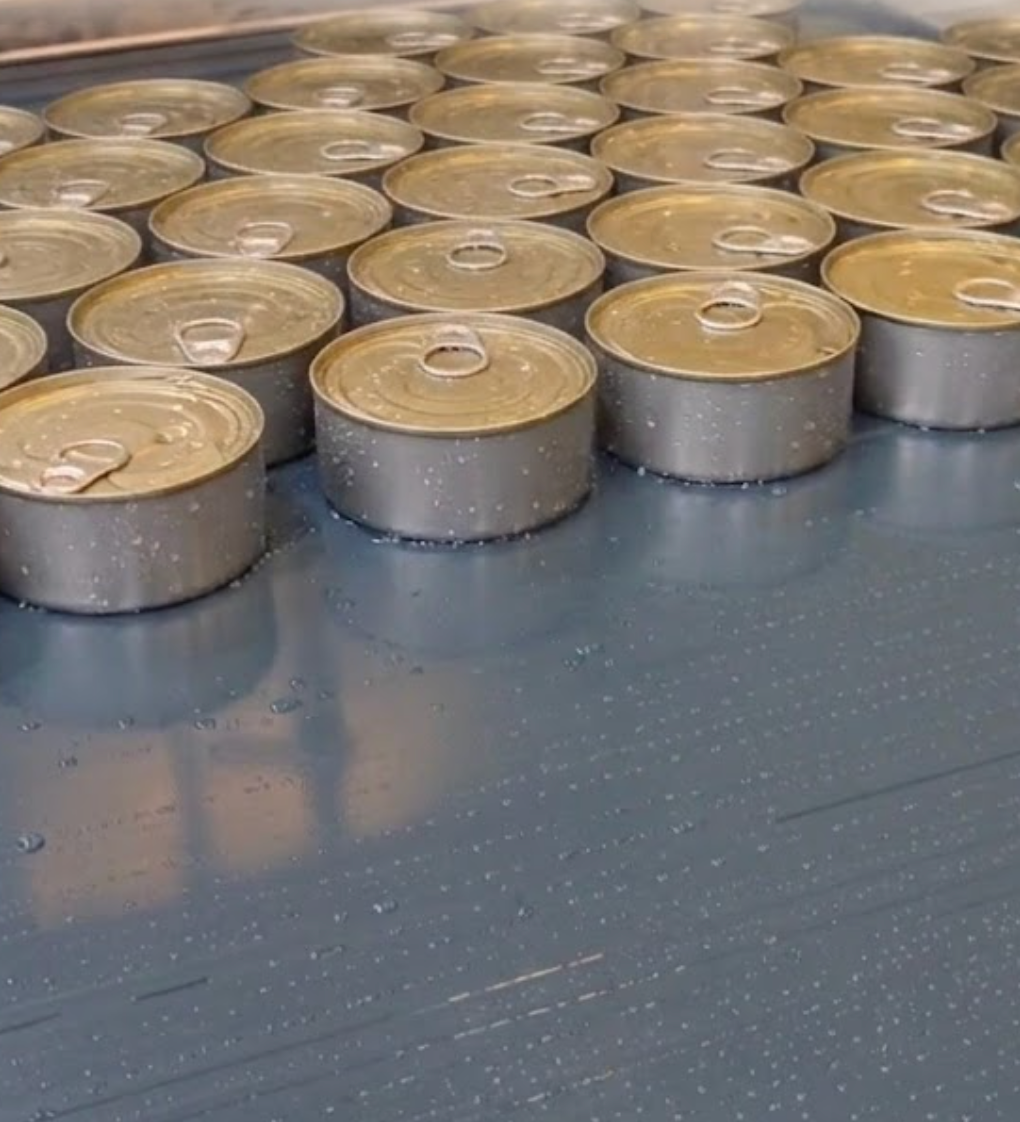
Samoa Canned Tuna Supplier & Exporter for Retail, Church Bulk & Aid Procurement
Samoa’s population of ~220,000 is small — but the nation’s $200M annual remittance economy from Samoans living in New Zealand, Australia, American Samoa, and the United States funds a level of consumer food spending that significantly exceeds what GDP per capita alone would suggest. Canned tuna occupies a central role in traditional Samoan food culture — appearing in oka i’a (raw/cooked fish salad), palusami (coconut cream-wrapped taro leaves with tuna), and fa’alifu dishes — and in the fa’alavelave gifting and communal feast system where canned goods are purchased in bulk (24-tin cases) for church events, weddings, and funerals. The diaspora connection is commercially significant: brand recognition earned in Samoan communities in Auckland and Sydney translates directly to retail preference in Apia.
$200M Remittance Flow Drives Consumer Food Spending Beyond GDP — Diaspora Brand Recognition Matters
Samoa’s economy receives approximately $200M per year in remittances — equivalent to roughly 20% of GDP — from the large Samoan diaspora in New Zealand (~180,000 Samoans), Australia (~80,000), American Samoa (~55,000), and the USA (~200,000). These remittances fund household food spending at levels that support imported branded consumer goods despite a relatively low per-capita domestic income. The Samoan diaspora in Auckland’s South Auckland (Manukau, Otahuhu) and Sydney’s western suburbs maintains strong food brand preferences that travel back to Samoa — products popular with diaspora communities in NZ/AU gain recognition when they reach Apia supermarket shelves.
- Samoan diaspora NZ — ~180,000 (South Auckland)
- Samoan diaspora AU — ~80,000 (Western Sydney)
- Remittances ~$200M/year fund household food
- Brand recognition from diaspora markets transfers to Apia retail
Church Events and Fa’alavelave — The Unique Samoan Community Procurement Channel for Canned Tuna
Samoa is one of the most church-going nations in the world — approximately 99% of the population identifies as Christian, with major denominations including the LDS (Church of Jesus Christ of Latter-Day Saints — very large presence), the Congregational Christian Church in Samoa (EFKS), the Catholic Church, and Methodist churches all operating regular community meals and feast events. The fa’alavelave system — the Samoan customary obligation framework governing weddings, funerals, birth celebrations, and church fundraisers — involves large-scale communal food preparation where 24-tin cases of canned tuna are purchased in bulk at Chan Mow, Farmer Joe, or Fugalei Market. This creates a distinct bulk wholesale channel with no direct equivalent in other Pacific markets.
- LDS Church — large Samoa community meals
- EFKS Congregational — weekly umu feasts
- Fa’alavelave — weddings, funerals, church events
- 24-tin bulk case purchase at wholesale markets
Oka, Palusami, and Fa’alifu — Canned Tuna at the Centre of Traditional Samoan Cuisine
Traditional Samoan cuisine has adapted canned tuna into several core dishes. Oka (a raw fish salad with coconut cream, onion, chilli, and lime) is increasingly prepared with canned tuna as a cost-accessible alternative to fresh fish. Palusami — taro leaves baked in coconut cream — incorporates canned tuna as the protein addition. Fa’alifu dishes (vegetables or protein simmered in coconut cream) regularly use canned tuna. The Sunday umu (traditional earth oven feast) prepared by Samoan families is a weekly occasion where canned tuna features alongside roast meats. These culinary traditions create sustained, culturally embedded demand that is relatively insulated from price fluctuation — canned tuna is a cultural staple, not simply a convenience product.
- Oka i’a — fish salad with coconut cream
- Palusami — taro leaves + tuna in coconut cream
- Fa’alifu — coconut cream protein dishes
- Sunday umu feast — weekly family tradition
Five Key Samoa Compliance Requirements: SBS, ASYCUDA, PACER Plus, VAGST & Retail Qualification
Samoa’s import framework is one of the Pacific’s more accessible — low MFN duty (0–5%), 0% under PACER Plus, no pre-market registration, SBS Codex-aligned standards — with the 15% VAGST being the primary cost component to factor into landed price calculations.
The Samoa Bureau of Standards (SBS) is Samoa’s national standards body, responsible for food standards and quality for imported goods under the Ministry of Commerce, Industry and Labour (MCIL). SBS aligns Samoa’s food safety standards with Codex Alimentarius — for canned tuna, this means contaminant limits matching CODEX STAN 193-1995 (mercury 1.0 mg/kg, lead 0.3 mg/kg, cadmium 0.05 mg/kg) and labelling requirements consistent with the Codex General Standard for Labelling of Prepackaged Foods (CXS 1-1985). Samoa does not operate a pre-market food product registration system — customs clearance with SBS-compliant labelling and an ISO 17025 CoA constitutes the standard compliance pathway.
No pre-market registration. SBS Codex-aligned standards. ISO 17025 CoA satisfies SBS contaminant compliance documentation.
The Ministry of Customs and Revenue (MCR) administers Samoa’s Customs Act 2014 and processes import declarations through the ASYCUDA World electronic system. All commercial food imports must be declared via a licensed Samoa customs broker using ASYCUDA. Standard import duty on canned tuna (HS 1604.14) is low — 0–5% under Samoa’s general tariff schedule. Under PACER Plus, SE Asian qualifying origins (Indonesia, Thailand, Vietnam, Philippines) access a 0% preferential tariff — PACER Plus certificate of origin required. A 15% VAGST (Value Added Goods and Services Tax) applies to all goods at the Samoa border including food — no food VAGST exemption exists.
ASYCUDA customs declaration required. PACER Plus CoO brings duty to 0%. 15% VAGST applies on all goods — no food exemption.
Samoa is a signatory to PACER Plus, which provides 0% preferential tariff access for qualifying SE Asian origins (Indonesia, Thailand, Vietnam, Philippines) on canned tuna (HS 1604.14). Rules of origin must be satisfied — a PACER Plus certificate of origin from the exporting country’s competent authority is required at Samoa MCR import clearance. PACER Plus is progressive — some products have immediate 0% access and others stage down over time. For standard HS 1604.14 skipjack canned tuna from Indonesia and Thailand, the preferential rate is highly favourable under PACER Plus staging. Without PACER Plus documentation, Samoa’s MFN tariff (0–5%) still applies — relatively low, but the 15% VAGST on top makes origin documentation commercially worth pursuing.
PACER Plus CoO provides 0% duty for SE Asian origins. MFN rate also low at 0–5% but VAGST still applies on both.
Samoa’s VAGST (Value Added Goods and Services Tax) rate is 15%, applied uniformly to all goods and services in Samoa including food imports — there is no food VAGST exemption (unlike Australia’s 0% GST on basic food). VAGST is assessed at the border on the CIF+duty value of the import and held as an input tax credit by the GST-registered importer against their VAGST liability. For non-registered buyers (small traders, church bulk buyers), VAGST is a cost that passes through to retail pricing. Factor 15% VAGST into all landed cost calculations for Samoa — even with 0% import duty under PACER Plus, the VAGST adds significantly to the landed price relative to the ex-works factory cost.
15% VAGST on all goods — no food exemption. Even with 0% import duty, VAGST is a significant landed cost component.
Samoa’s two primary retail grocery chains have distinct but overlapping supplier qualification requirements. Farmer Joe Supermarkets (Samoa’s leading modern supermarket) requires product compliance with SBS standards, accurate labelling with fish allergen declaration, Dolphin-Safe certification, best before date, and GS1 barcode. Chan Mow & Co (Samoa’s established trading company with wholesale and retail operations) serves both retail and the wholesale bulk channel for church and community buyers — case-format purchasing is a significant part of Chan Mow’s canned tuna business. Economy Stores (discount grocery) and the Fugalei Market wholesale district in Apia serve additional distribution channels for independent retailers and church procurement officers.
Farmer Joe — modern supermarket, SBS + GS1 + Dolphin-Safe. Chan Mow — wholesale + retail including 24-tin cases for fa’alavelave.
Samoa’s Muslim community is small — the Samoa Sherpa Muslim Community (SSMC) serves a minority Islamic population in Apia. However, MUI Halal certification (from Indonesia’s Majelis Ulama Indonesia) is broadly accepted across Pacific island markets and is increasingly required by buyers who export Samoa-purchased goods to Muslim-majority markets in the Pacific region. For canned tuna sold in Samoa, MUI Halal adds shelf appeal for the small but present Muslim community and is increasingly part of standard specification for premium buyers. Additionally, any canned tuna transiting Samoa for redistribution to Melanesian or Polynesian markets with Islamic communities benefits from MUI Halal documentation.
MUI Halal accepted by SSMC. Adds value for premium buyers and Pacific re-export to Muslim-community markets.
| Origin | Agreement | Duty HS 1604.14 | VAGST |
|---|---|---|---|
| Indonesia · Thailand · Vietnam · Philippines | PACER Plus | 0% | 15% |
| MFN (any other origin) | Customs Act 2014 | 0–5% | 15% |
| Note: 15% VAGST applies to all goods including food — no exemption | 15% |
Four Key Samoa Buyer Channels: Retail, Church Bulk, Aid & Tourism
Samoa’s canned tuna market is unlike any other Pacific island nation — the fa’alavelave customary bulk purchase system and the church community procurement channel create a distinct demand structure alongside conventional supermarket retail, aid procurement, and eco-tourism food service.
Samoa’s Grocery Retail — Farmer Joe, Chan Mow, and Economy Stores Serving Apia’s Consumer Base
Farmer Joe Supermarkets (Samoa’s best-known modern supermarket, with stores in Apia on Upolu island) is the primary retail buyer for branded canned tuna in Samoa. Chan Mow & Co (Samoa’s established trading company operating wholesale and retail since the 1950s) supplies both retail shelves and the wholesale bulk channel for church and community buyers. Economy Stores (discount grocery) reaches value-conscious consumers. The broader Apia retail landscape includes smaller Indian-owned grocery stores and Chinese-run general trade stores in the commercial district. Savai’i island (Samoa’s largest island by land area, population ~45,000) is served by Savaii Shipping ferry service from Mulifanua Wharf.
The Fa’alavelave System — Samoa’s Unique Bulk Church and Community Canned Tuna Procurement Channel
No other Pacific market has an equivalent to Samoa’s fa’alavelave procurement system — the customary obligation framework where extended families buy canned goods in bulk (24-tin cases, sometimes multiple cases) for community feasts and gifting obligations. LDS (Church of Jesus Christ of Latter-Day Saints) — which has a very large presence in Samoa — operates regular community meals where canned tuna is a standard provision. EFKS (Congregational Christian Church of Samoa), the Catholic Church, and Methodist churches all run Sunday umu feasts and fundraisers requiring bulk tuna. Church procurement officers purchase through Chan Mow wholesale and the Fugalei Market wholesale district in Apia — this channel operates on case-quantity minimum purchases.
Development Aid and Disaster Preparedness — Canned Tuna in Samoa’s Food Security Programme
Samoa is frequently struck by tropical cyclones — Cyclone Evan (2012), Cyclone Winston (2016), Cyclone Harold (2020) each caused significant food insecurity on Upolu and Savai’i. The National Emergency Management Office (NEMO) Samoa maintains cyclone preparedness food stockpiles including canned tuna as a core shelf-stable protein. UNDP Samoa, Australian Aid (DFAT), and World Vision Samoa procure canned tuna for disaster response, maternal nutrition, and school feeding programmes. Aid procurement requires FSSC 22000, ISO 17025 CoA, Dolphin-Safe certification, and standard UN agency sourcing documentation. Samoa’s calendar of climate hazard risk makes institutional preparedness stockpile purchasing a recurring procurement cycle.
Samoa’s Eco-Tourism and Boutique Resort Sector — Food Service Demand for Certified Tuna
Samoa’s eco-tourism and agri-tourism sector attracts visitors seeking authentic Pacific cultural experiences — boutique beach fale accommodation, conservation tourism in the To Sua Ocean Trench area, and mountain eco-trails on Savai’i. The Sheraton Samoa Aggie Grey’s Hotel & Bungalows (Apia) and the historic Aggie Grey’s Resort Apia are the primary international hotel food service buyers. Boutique eco-lodges (Manoa ales, Le Lagoto on Savai’i) serve high-value visitors from New Zealand and Australia. Food service canned tuna (185g branded and 1.7kg institutional) for resort kitchens is sourced through Chan Mow or directly from importers in Apia.
How to Import Canned Tuna into Samoa: Five Steps from Factory to Apia Shelf
Samoa’s import process runs through MCR ASYCUDA customs declaration, SBS food safety compliance check, and PACER Plus tariff claiming — no pre-market registration, relatively accessible MFN duty, and the 15% VAGST as the primary cost element to manage at the border.
| Origin | Duty | VAGST |
|---|---|---|
| Indonesia · Thailand · Vietnam | 0% (PACER Plus) | 15% |
| Philippines · Malaysia | 0% (PACER Plus) | 15% |
| MFN (any other origin) | 0–5% | 15% |
15% VAGST applies to all goods including food — no exemption. Even with 0% duty, VAGST adds ~15% to CIF value in landed cost calculations.
Canned Tuna Formats for Samoa: Retail, Church Bulk, Aid, Hospitality & Premium
From 185g Farmer Joe retail cans through 24×185g fa’alavelave bulk community cases, NEMO/UNDP disaster preparedness stock, Aggie Grey’s Hotel food service 1.7kg A10, and diaspora-recognisable branded premium cans valued by returning Samoans.
185g Retail Can — Farmer Joe Supermarkets and Economy Stores
The 185g can in springwater (brine) or sunflower oil is Samoa’s standard retail SKU at Farmer Joe and Economy Stores. Labels must include SBS-compliant NIP (energy in kJ/kcal), fish allergen declaration, ‘Product of [country]’, best before date, GS1 EAN-13 barcode, and Dolphin-Safe logo. The Samoan retail consumer is influenced by brand familiarity from Auckland and Sydney diaspora shopping — brands with Pacific island distribution history benefit from recognition. Both skipjack light tuna and yellowfin are active SKUs; skipjack in brine is the higher-volume value segment.
24×185g Bulk Case — Chan Mow and Fugalei Market Fa’alavelave Procurement
The 24×185g wholesale case is the standard unit for Samoa’s fa’alavelave and church procurement channel — purchased in quantity by church procurement officers, fa’alavelave event organisers, and community leaders at Chan Mow & Co wholesale or the Fugalei Market wholesale district. A single fa’alavelave event (wedding, funeral, church fundraiser) may involve purchasing 5–20 cases of canned tuna for communal cooking. Case-format pricing needs to be competitive with Thai and Philippine generic brands already established in the Chan Mow wholesale system. Outer island (Savai’i) church and community buyers receive case stock via Savaii Shipping ferry from Apia.
NEMO Disaster Stock and UNDP Nutrition Pack — 185g Brine for Samoa Cyclone Preparedness
Samoa’s National Emergency Management Office (NEMO) maintains pre-positioned food stocks for cyclone response and is a recurring institutional buyer of canned tuna in 185g brine format. UNDP Samoa and World Vision Samoa additionally procure canned tuna for nutrition programmes and post-disaster food distribution in rural villages. Aid procurement specifications require FSSC 22000, ISO 17025 CoA (mercury, lead, cadmium, microbiological), Dolphin-Safe certification, and lot-traceable best before dates. Samoa’s cyclone season (November–April) drives NEMO procurement cycles — pre-season purchasing typically occurs September–October.
1.7kg A10 Institutional — Sheraton Samoa, Aggie Grey’s Hotel, and Eco-Lodge Kitchen Supply
Samoa’s hospitality sector — anchored by Sheraton Samoa Aggie Grey’s Hotel & Bungalows (Apia, ~200 rooms), the historic Aggie Grey’s Resort Apia, and a growing network of boutique eco-lodges on Upolu and Savai’i — creates demand for 1.7kg institutional A10 tins for resort kitchen operations. Cruise ships visiting Apia Port (P&O Pacific, Carnival) also provision food service stock. FSSC 22000, allergen declarations, and batch CoA are standard for Sheraton/Marriott-branded property supply. The eco-lodge sector (To Sua area, Le Lagoto, Manoa ales) is a smaller but growing premium food service channel.
Diaspora-Recognisable Branded Can — Premium Retail for Returning Samoans from NZ and Australia
Samoans returning from New Zealand and Australia bring branded food preferences that shape premium shelf demand at Farmer Joe. Brands carried by PAK’nSAVE, Countdown, and Woolworths in NZ/AU are recognised and trusted by returned diaspora. A branded 185g solid yellowfin in EVOO — positioned as the premium tier above standard skipjack in brine — finds its natural buyer in Samoa’s diaspora-connected urban middle class in Apia. Dolphin-Safe IMMP, FSSC 22000, and authentic SE Asian origin provenance (not generic blended origin) are the premium signals that resonate with this buyer segment.
Samoa Canned Tuna Label Requirements: SBS Standards, Halal MUI & No CoOL
Samoa applies SBS food standards aligned with Codex Alimentarius — English language mandatory, Samoan optional but valued for community retail. No pre-market registration, no CoOL bar chart. GS1 barcode required for Farmer Joe POS scanning. Halal MUI adds value for SSMC community and Pacific re-export.
Mandatory Samoa Label Elements — SBS / Codex Alimentarius
- Product name with species: ‘Skipjack Tuna in Springwater’, ‘Yellowfin Tuna in Sunflower Oil’ — SBS accuracy requirement
- Net weight + drained weight: ‘185 g net · Drained Weight 130 g’ — both mandatory
- Ingredient list: ‘Skipjack Tuna (Katsuwonus pelamis) (80%), Water, Salt’ — descending weight order
- Fish allergen declaration: ‘Contains: Fish (Tuna)’ in bold — Codex allergen standard
- Nutrition Information Panel: Energy (kJ or kcal), Protein, Fat, Sat fat, Carbohydrate, Sugars, Sodium per 100g
- Country of origin: ‘Product of Thailand’ — text statement; no CoOL bar chart required
- Best Before date: ‘Best Before MM/YYYY’ — lot traceability required for aid/NEMO procurement
- Importer contact: Samoa-based distributor name and address
- Dolphin-Safe logo: IMMP or DPCIA — required by Farmer Joe and aid buyers
- Halal MUI logo: MUI (Indonesia) accepted by SSMC — valuable for community and premium buyers
- GS1 barcode EAN-13: Required for Farmer Joe retail scanning
- Samoan language name (optional): ‘I’a fai kuka’ (canned fish) — valued for community retail shelf visibility
Samoa vs. Fiji and Solomon Islands — Pacific Label Comparison
| Element | Samoa | Fiji | Solomon Islands |
|---|---|---|---|
| Pre-market registration | Not required | Not required | Not required |
| Label language | English (Samoan optional) | English | English |
| CoOL bar chart | Not required | Not required | Not required |
| Import duty | 0–5% (PACER Plus: 0%) | 32% (PACER Plus: 0%) | ~10–15% (PACER Plus: 0%) |
| Tax on food | 15% VAGST | 15% VAT | 9% GST |
| Halal authority | SSMC (MUI accepted) | FIAMM (MUI accepted) | MUI broadly accepted |
| Unique channel | Fa’alavelave church bulk | Resort tourism 5-star | Mining camp institutional |
Samoa Canned Tuna FAQ
Common questions from Samoa importers, Farmer Joe and Chan Mow buying teams, church procurement officers, NEMO aid procurement managers, and MCR customs brokers about PACER Plus tariff, VAGST, SBS compliance, the fa’alavelave community procurement system, and Apia port logistics.
What import tariff applies to canned tuna entering Samoa?
Samoa applies a low standard import duty of 0–5% on canned tuna (HS 1604.14) — one of the more accessible tariff rates in the Pacific island region for this product. Under PACER Plus (Pacific Agreement on Closer Economic Relations Plus), qualifying Southeast Asian origins including Indonesia, Thailand, Vietnam, and the Philippines access a 0% preferential tariff rate — a PACER Plus certificate of origin from the exporting country’s authority must be presented at MCR (Ministry of Customs and Revenue) clearance. A 15% VAGST (Value Added Goods and Services Tax) applies to all goods entering Samoa including food — there is no food tax exemption. Factor 15% VAGST into all landed cost calculations even with a 0% import duty.
Does Samoa require pre-market food product registration for canned tuna imports?
No — Samoa does not require pre-market product registration for imported canned tuna. The Samoa Bureau of Standards (SBS) operates post-market compliance checks aligned with Codex Alimentarius standards, not a pre-approval registration system. All commercial imports are declared through MCR ASYCUDA World by a licensed Samoa customs broker, and labelling must comply with SBS/Codex requirements — species accuracy, NIP, fish allergen declaration, country of origin text, and best before date. An ISO 17025 certificate of analysis covering mercury, lead, cadmium, and microbiological parameters is the standard documentation package for SBS compliance.
What is the fa’alavelave system and why does it matter for canned tuna sales in Samoa?
Fa’alavelave is the Samoan customary obligation system governing community events — weddings, funerals, church fundraisers, and other family gatherings that require substantial communal food preparation. Under fa’alavelave, extended family members contribute food and other resources to the hosting family; canned tuna is a standard contribution and kitchen staple purchased in bulk — typically 24-tin cases — from Chan Mow & Co wholesale or the Fugalei Market in Apia. This system creates a distinct bulk wholesale demand channel unlike anything in Australian, New Zealand, or even Fijian canned tuna markets. A single fa’alavelave event might involve 5–20 cases of canned tuna, and there are hundreds of such events across Samoa every month.
Who are the main canned tuna retailers and distributors in Samoa?
The main retail buyers for canned tuna in Samoa are Farmer Joe Supermarkets (Samoa’s leading modern supermarket with stores in Apia on Upolu) and Economy Stores (discount grocery). Chan Mow & Co (Samoa’s established trading company) is the primary wholesale and bulk distributor — serving both retail channels and the church/community fa’alavelave procurement market with 24-tin cases. The Fugalei Market wholesale district in Apia is the hub for smaller independent retailers, market traders, and church procurement officers. Savai’i island retail (Samoa’s largest island, ~45,000 population) is supplied via the Savaii Shipping roll-on/roll-off ferry service from Mulifanua Wharf, transporting wholesale cases from Apia distributors.
How does Samoa’s remittance economy affect canned tuna import demand?
Samoa’s economy receives approximately $200 million in remittances annually from the large Samoan diaspora in New Zealand (~180,000 people in South Auckland and the North Island), Australia (~80,000 in Western Sydney and Queensland), American Samoa (~55,000), and the United States. These remittances represent roughly 20% of Samoa’s GDP and directly fund household food spending at a level significantly higher than domestic per-capita income alone would generate. Diaspora remittances also create brand awareness effects — Samoans returning from visits to NZ and AU bring food product preferences that shape retail demand in Apia. Brands and products familiar to Samoan communities at PAK’nSAVE South Auckland or Woolworths Western Sydney translate into product recognition at Farmer Joe in Apia.
What role does the church community play in Samoa’s canned tuna market?
Samoa is one of the world’s most church-going nations — approximately 99% of the population identifies as Christian, and church attendance and community participation are central to Samoan social life. Major denominations include the LDS Church (Church of Jesus Christ of Latter-Day Saints — which has a very large and active community in Samoa with regular communal meals), the EFKS (Congregational Christian Church of Samoa), the Catholic Church, and Methodist congregations. Each denomination runs regular Sunday feasts, fundraising events, and community meals where canned tuna is a standard provision — purchased in bulk (24-tin cases) by church procurement officers at Chan Mow wholesale. The aggregate volume from church procurement across all denominations in Samoa represents a commercially meaningful share of total canned tuna import demand.
What is VAGST and how does it affect the landed cost of canned tuna in Samoa?
VAGST stands for Value Added Goods and Services Tax — Samoa’s consumption tax, set at 15% and applied uniformly to all goods and services including food imports. Unlike Australia (where basic food is GST-free) or New Zealand (where all food is subject to 15% GST), Samoa’s VAGST similarly applies to food with no exemption category. VAGST is assessed at the Samoa border on the CIF+duty value of the imported goods. GST-registered importers can offset the VAGST paid at import against their output VAGST liability — effectively recovering the tax through the business cycle. However, for non-registered buyers (smaller traders, church procurement officers buying directly), VAGST is a hard cost that flows through to retail or community pricing.
What is the typical transit time for canned tuna from Southeast Asia to Apia?
Transit time from Southeast Asia to Apia Port (Samoa) is approximately 16–22 days for shipments from Indonesia (Surabaya, Jakarta) or Thailand (Laem Chabang) — longer than PNG or Fiji due to Samoa’s more remote position in the central Pacific. Many shipments transit through Auckland, New Zealand (3–5 days from Samoa) or Suva, Fiji before the final leg to Apia on Pacific Forum Line or Sofrana Unilines feeder services. Top Tide Canning quotes CIF Apia Port — the landed price at Apia includes ocean freight, insurance, and all origin charges. For buyers consolidating Pacific island orders, shipments to Auckland or Suva can be followed by feeder container service to Apia on a regular weekly schedule.
Samoa Canned Tuna Supplier Capabilities: Compliance, Retail, Aid & Bulk Supply
Every certification, document, and format Samoa buyers require — MCR ASYCUDA customs clearance through PACER Plus origin, Farmer Joe retail supply, Chan Mow bulk wholesale for fa’alavelave and church, NEMO disaster preparedness stock, UNDP nutrition procurement, and Aggie Grey’s/Sheraton food service.
Explore Other Pacific and Oceania Export Markets
Top Tide Canning exports canned tuna to buyers across the Pacific, Oceania, North America, Europe, the Middle East, and Africa.
Request a Quote for Samoa
Tell us your channel — Farmer Joe or Economy Stores retail, Chan Mow wholesale distribution for fa’alavelave and church communities, NEMO or UNDP disaster preparedness procurement, Sheraton or Aggie Grey’s resort food service, or eco-lodge supply. We respond within one business day with CIF Apia pricing, complete MCR ASYCUDA documentation, PACER Plus Certificates of Origin, an SBS compliance package, FSSC 22000 certification, and ISO 17025 certificates of analysis covering mercury and microbiological testing.
Get a Samoa Quote →